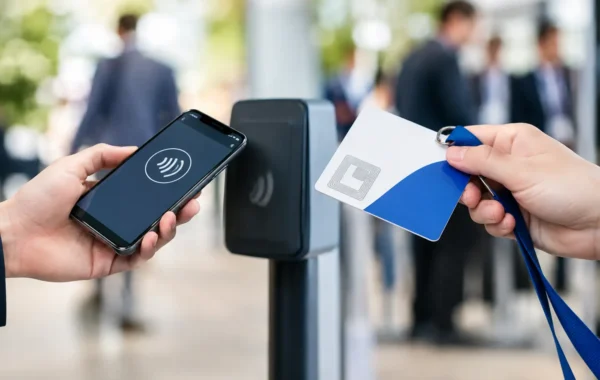


A registration desk is the first operational test of an event. If guests cannot find the right queue, retrieve a badge quickly, or get clear direction at arrival, the pressure reaches every part of the program. When comparing Dubai’s leading registration desk services, a free quote should reflect more than a counter and a few laptops. It should account for attendee volume, badge security, branding, staffing, hardware, software, and onsite contingency planning.
For corporate conferences, exhibitions, launches, and internal events, the goal is simple: move guests from arrival to engagement without confusion. Achieving that result requires a registration environment designed around real event conditions, not a generic equipment package.
What Leading Registration Desk Services Should Include
A professionally managed registration desk combines physical setup, attendee data, credential production, and live support. These elements must work together from the moment doors open. A visually impressive desk with slow badge printing still creates queues. Fast software without clear signage can send guests to the wrong location. The strongest setups are planned as one integrated arrival system.
The starting point is a registration workflow matched to the event. Pre-registered delegates may need a QR code scan and preprinted badge collection. A trade show may require walk-in registration, category-based credentials, and exhibitor check-in. A high-security corporate gathering may require ID verification, approval status checks, and RFID or NFC-enabled access cards.
This is why a quote should identify the exact operating model rather than offering a single rate for “registration.” The number of stations, type of credential, expected arrival pattern, internet requirements, and onsite hours all affect the right configuration.
Registration Software and Data Readiness
Reliable event registration begins before the venue build. Attendee lists need to be reviewed, fields mapped, duplicate records identified, and badge templates tested against real data. Names with long job titles, international characters, multiple guest categories, and last-minute substitutions can all affect badge layouts and search results.
A capable registration software configuration gives the event team practical control. Staff should be able to search attendees, scan QR codes, confirm attendance, print replacement badges, manage walk-ins, and review live arrival figures. For events using different access levels, the system should also distinguish delegates, VIPs, speakers, sponsors, exhibitors, media, and crew.
The trade-off is between simplicity and control. A small leadership meeting may only need a fast guest list and discreet badge printing. A multi-day conference with several entry zones benefits from deeper data rules, attendance reporting, and access validation. The right level of technology depends on the event’s risk profile and guest journey.
Hardware That Supports Peak Arrival Times
Registration hardware is not just a collection of devices. It is a coordinated workstation that must withstand peak check-in periods. Typical requirements include laptops or tablets, barcode scanners, badge printers, spare print supplies, power distribution, routers, backup connectivity, and cable management. Each device should be staged, tested, and assigned to a specific desk position before delivery.
Badge printers deserve particular attention. A printer that is suitable for a small office may not be appropriate for several hundred arrivals within an hour. Print speed, color requirements, card thickness, encoding needs, and replacement stock all matter. For premium events, secure PVC cards can create a stronger first impression and support RFID or NFC access. For high-volume conferences, durable printed badges with branded lanyards may be the more efficient option.
Self-service kiosks can reduce pressure on staffed counters, especially for attendees who have completed registration in advance. They work best when the instructions are clear, the interface is branded, and a trained team member remains nearby to resolve exceptions. Kiosks are not a substitute for hospitality. They are a way to reserve staff attention for guests who need it most.
Designing Dubai Registration Desks Around the Guest Journey
The desk layout influences how guests perceive the event before they enter the main space. A well-designed setup makes the next step obvious from a distance. This includes queue barriers, directional signage, branded counter fronts, screen messaging, and separate lanes for VIPs, speakers, exhibitors, and walk-ins where necessary.
For a large venue, registration should be considered alongside parking access, entrance security, elevators, cloakrooms, and the route to the conference room or exhibition floor. A desk that looks correct on a floor plan can become a bottleneck when placed near a narrow doorway or competing arrival point. A site review helps identify these issues before event day.
Brand consistency is equally operational. The colors, typography, logo placement, lanyards, digital screens, and printed credentials should feel like one environment. Guests should not experience a polished invitation and then arrive at an unbranded check-in table with mismatched materials. Integrated production creates absolute consistency from the registration email through to the badge in hand.
Credentials That Do More Than Display a Name
An attendee badge can identify a guest, control access, support networking, and extend the brand. The specification should follow the event objective. A simple name badge may be sufficient for an internal town hall. A VIP forum may require premium PVC cards, personalized lanyards, color-coded access zones, and encoded technology for controlled entry.
QR-enabled credentials are useful when the event needs quick verification or lead retrieval. RFID and NFC cards provide additional value when access tracking, session validation, cashless functions, or interactive activations are part of the experience. These technologies should only be introduced when there is a clear operational purpose. Encoding cards without a defined use case adds cost and complexity without improving the guest journey.
Quality control is essential at this stage. Badge names, role labels, sponsor marks, print alignment, encoded data, and lanyard attachments all need review before bulk production. A small error repeated across hundreds of credentials becomes highly visible at registration.
Why Onsite Technical Support Changes the Outcome
No event registration plan is complete without a response plan. Attendee lists change. Flights are delayed. Printers need cleaning. A VIP arrives under a different name. Venue internet can be inconsistent. These are normal operating conditions, not signs of poor preparation.
A specialized onsite team provides the practical buffer between an issue and a visible guest-facing disruption. They can manage software updates, troubleshoot equipment, replenish materials, produce replacement credentials, and adjust desk flow as arrival patterns change. This protects the event team from being pulled away from speakers, stakeholders, and hospitality responsibilities.
The best support model depends on scale. A small private event may need a technician on standby with a prepared backup kit. A high-volume exhibition or conference may require registration supervisors, technicians, and trained operators across the full arrival window. Procurement teams should ask who will be onsite, what equipment is held in reserve, and how exceptions are handled after setup is complete.
What to Include When Requesting a Free Quote
A useful quote starts with useful event information. Providing the event date, venue, estimated attendance, registration opening time, and expected peak arrival window allows a provider to recommend the correct number of stations. It also helps to define whether badges are preprinted, printed on demand, or both.
Share the desired credential format, brand guidelines, attendee categories, access-control needs, and any requirement for QR, RFID, or NFC technology. If the event includes kiosks, interactive displays, or digital wayfinding, these should be planned alongside the desk rather than added at the last minute. One coordinated supplier can stage the hardware, configure the software, produce the branded materials, and deploy the full setup with fewer handoffs.
Smart Track Zone approaches registration as a managed event infrastructure project. That means consultation, software configuration, hardware staging, badge and lanyard production, branded desk presentation, delivery, and technical support are aligned before the first attendee arrives.
A free quote is most valuable when it gives you a clear operating plan, not merely a price. Ask for the proposed check-in flow, equipment allocation, credential specification, staffing assumptions, and contingency coverage. With those details in place, registration becomes a confident welcome rather than the most unpredictable part of the event.