

A conference can look polished from the ballroom floor while its operations are under pressure behind the scenes. This UAE conference logistics guide is built for corporate teams that need more than a venue booking: they need controlled arrivals, accurate credentials, functioning technology, clear guest guidance, and a brand experience that holds together from the first invitation to the final session.
For conferences in the UAE, the difference between an orderly event and a difficult one is rarely a single major failure. It is usually a series of small disconnects: registration data that does not match badge files, equipment arriving without the right adapters, a check-in desk placed too close to the entrance, or signage that guests cannot see until they have already taken a wrong turn. Strong logistics planning connects these details early.
Start the UAE Conference Logistics Guide With the Guest Journey
Begin with what an attendee will actually experience. Map the journey from arrival at the property or venue entrance through registration, security or access control, session attendance, networking, and departure. This immediately reveals the operational requirements that a basic event checklist can miss.
For example, a 300-person leadership conference with timed arrivals needs a different registration setup than a 1,500-person industry forum with walk-in delegates, sponsors, media, and VIPs. The first may benefit from dedicated VIP check-in and pre-printed credentials. The second may require multiple self-service kiosks, staffed support counters, live badge printing, and a defined exception process for name changes or unregistered guests.
At this stage, establish the non-negotiables: expected attendance, audience categories, access rules, agenda structure, sponsor commitments, language needs, and brand standards. These decisions affect the number of registration points, badge types, printers, screens, cables, staff, and wayfinding elements required onsite.
Build a Practical Operations Timeline
Conference logistics should work backward from doors opening, not forward from the first planning meeting. Set fixed approval points for venue layouts, registration data, badge artwork, technology testing, printed materials, and delivery access.
A useful production timeline separates decisions that can be changed late from decisions that cannot. Digital screen content can often be updated close to the event, although revisions still need testing. Badge quantities, lanyard production, RFID or NFC encoding, large-format graphics, and hardware configurations require earlier confirmation. Leaving these items until the final days increases cost, limits options, and creates avoidable pressure.
Venue coordination should also begin early. Confirm loading access, permitted delivery hours, parking rules, storage availability, power locations, internet capacity, table dimensions, rigging restrictions, and approved supplier requirements. A registration system is only as reliable as its physical setup. A fast check-in workflow loses its value if the counters lack power, the internet signal is weak, or the queue path blocks guest circulation.
For UAE events, permit requirements may apply depending on the venue, event type, public attendance, entertainment, promotional activity, and government or authority involvement. Requirements vary by emirate and event format, so assign ownership for permit support early and maintain a clear document trail. Treat approvals as a core operational workstream, not a last-minute administrative task.
Design Registration for Speed and Control
Registration is the first live test of the event. Guests judge organization quickly, especially when they arrive before a keynote, during peak morning traffic, or after a long transfer. The right model depends on attendee volume and data quality.
Pre-event registration data should be cleaned before badge production begins. Standardize name fields, company names, titles, access categories, dietary information where relevant, and unique attendee IDs. Decide how duplicate records, incomplete registrations, substitutions, and on-the-day walk-ins will be handled. These exceptions should have a defined workflow rather than relying on improvised decisions at the desk.
A well-planned operation usually combines pre-printed badges for confirmed delegates with onsite printing for changes and late registrations. Self-service check-in kiosks can reduce queue pressure for high-volume arrivals, while trained staff remain essential for exceptions, VIP handling, and technical support. The goal is not to automate every interaction. It is to place people where judgment and hospitality add the most value.
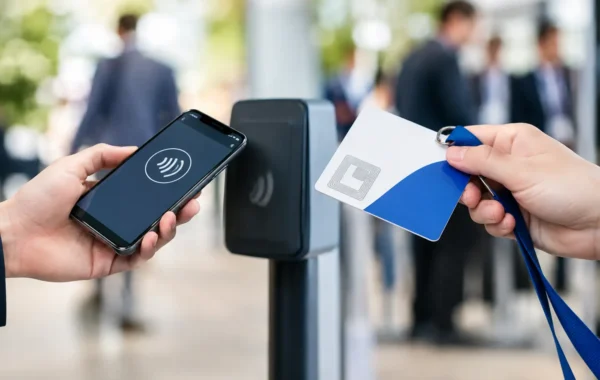
For sessions requiring controlled access or attendance data, QR codes, RFID, or NFC credentials can provide stronger visibility than manual headcounts. These technologies are especially useful for multi-track conferences, restricted workshops, sponsor activations, and continuing-education programs. However, they need disciplined testing. Encoded cards, scanners, software permissions, network connections, and reporting fields must all work together before attendees arrive.
Treat Badges and Signage as Operating Tools
Credentials and event graphics are often seen as branding deliverables. They are also operational tools. A badge can identify a delegate, distinguish staff from suppliers, control access to restricted areas, support lead capture, and reinforce the event identity in every photograph.
Choose badge stock and format based on duration, use case, and security needs. A simple paper insert may be suitable for a short internal meeting. A multi-day conference, exhibition, or executive forum may require durable PVC cards, secure holders, color-coded lanyards, encoded technology, or visible role identifiers. If access is sensitive, avoid relying only on printed titles or colors that can be copied easily.
Wayfinding deserves the same discipline. Guests need information at the moment they make a decision: where to register, which room to enter, where to find coffee, and how to reach a networking area. Put directional signage before the decision point, not after it. Use digital signage when schedules may change or when sponsor content needs rotation, but retain critical static signs for high-traffic directions and emergency clarity.
Absolute consistency matters here. Badge artwork, screen templates, registration counters, lectern graphics, lanyards, and printed programs should follow the same approved visual system. Inconsistent colors, logos, or naming conventions can make a premium conference feel assembled rather than managed.
Plan the Technology Environment, Not Just the Equipment
A hardware list is not a technology plan. Each device needs a purpose, location, power source, network approach, branded interface where appropriate, and support owner. Registration laptops, badge printers, tablets, touchscreen kiosks, scanners, displays, and backup equipment should be staged and tested as a complete environment.
Internet planning is especially important. Venue Wi-Fi may be sufficient for light administrative use, but high-volume registration, synchronized attendee databases, interactive kiosks, streaming, or exhibitor activity can require dedicated connectivity. Confirm whether the event system can operate offline if connectivity drops, how records will sync afterward, and which functions must remain live throughout the day.
Build redundancy into critical points. For registration, that may mean spare printers, additional print supplies, backup laptops, duplicate cables, power strips, and a local attendee export. For digital content, it may mean tested media files, alternate playback devices, and a process for approving urgent screen updates. Redundancy is not excess equipment. It is protection for the attendee experience when a single component fails.
Make Onsite Roles Visible Before Event Day
A strong onsite team works from a shared run sheet, floor plan, contact list, and escalation process. Every team member should know who owns registration, badge reprints, speaker support, venue coordination, digital signage, equipment troubleshooting, and approval of last-minute brand changes.
Schedule a full pre-opening check before guests arrive. Test each check-in station, print sample badges, scan credentials, check screen visibility from guest eye level, confirm room names against the agenda, inspect cables and power, and walk the attendee route from the entrance. This is the moment to correct confusing sign placement or a counter layout that creates bottlenecks.
Smart Track Zone supports this model by combining event technology, credential production, branded materials, equipment staging, and specialized onsite technical support under one managed operation. For corporate teams, that integrated approach reduces handoffs between separate print, rental, and registration vendors while keeping brand quality and operational accountability aligned.
Measure What Happened, Then Improve the Next Event
After the conference, review more than attendance totals. Compare registered attendees with checked-in guests, identify arrival peaks, calculate average check-in time where data is available, track badge reprints and their causes, and review session scans or access data. These findings help refine future layouts, staffing levels, and communications.
Also gather feedback from the people closest to the operation: front-desk staff, venue teams, speakers, exhibitors, and guests. A post-event report should record both the visible outcomes and the near-misses that were resolved onsite. Those details become a practical playbook for the next program.
The best conference logistics are rarely noticed by attendees because each touchpoint feels clear, prepared, and on-brand. That result comes from making the right decisions before event day, then placing experienced people and dependable systems exactly where the pressure will be.