

A conference can have an impressive speaker lineup, a strong venue, and a substantial media budget, yet still feel disorganized before the first session begins. The difference is usually execution. Event marketing & promotion is not only about attracting an audience. It is the coordinated work of building anticipation, making attendance easy, guiding guests confidently, and giving every physical and digital touchpoint a clear brand purpose.
For corporate events, exhibitions, product launches, and internal gatherings, promotion and operations should be designed together. A campaign that promises a premium experience must be supported by fast registration, accurate credentials, visible wayfinding, and technology that works when the doors open.
Start event marketing & promotion with the attendee journey
The strongest event campaigns begin before creative assets are produced. First, define the journey your attendee will take from the first invitation to their final interaction after the event. This prevents disconnected decisions, such as promoting priority access without providing a dedicated check-in lane or advertising an interactive experience without staging the equipment required to deliver it.
Consider what a guest needs at each stage. Before the event, they need a clear reason to attend, a friction-free registration process, and useful reminders. On arrival, they need confidence that they are in the right place and that their time will be respected. During the program, they need clear navigation, relevant content, and opportunities to engage. Afterward, they need a reason to remember the event and continue the relationship.
This approach gives marketing teams and operations teams a shared plan. It also reveals the moments that shape perception most strongly. A branded invitation matters, but a delayed badge at a crowded registration desk can outweigh it. A polished event page builds interest, while a clear check-in process confirms that the organization delivers on its promise.
Build a campaign around a specific event objective
Promotion performs better when the desired business outcome is clear. A product launch may prioritize qualified attendance, social visibility, and live demonstrations. An employee town hall may focus on participation, internal alignment, and secure access. A trade show activation may require lead capture, repeat booth traffic, and strong brand recall.
The objective should determine the campaign message, audience segmentation, registration fields, and onsite experience. Asking every registrant for extensive information can be useful for a high-value executive event, but it may reduce completion rates for a large public activation. Similarly, open registration may increase reach, while invite-only approval workflows offer greater control for private corporate functions.
Set a small number of measurable outcomes before deployment. These might include registration-to-attendance rate, check-in time per guest, session participation, qualified leads captured, or post-event meeting requests. The point is not to measure every activity. It is to identify whether the event created the business result it was designed to achieve.
Make registration part of the brand experience
Registration is often treated as an administrative task. It is actually one of the first operational expressions of the brand. A clear, mobile-friendly registration flow signals organization. Confirmation messages that explain what happens next reduce uncertainty. QR codes, calendar details, venue instructions, and parking or access information help guests arrive prepared.
For larger programs, onsite registration software should be configured around the event structure rather than used as a generic sign-up tool. Registration categories, access levels, meal selections, workshop capacity, and approval requirements must be accurate before attendee communications begin. This is especially important where VIP guests, exhibitors, speakers, staff, and general attendees require different credentials or access rights.
A reliable setup also prepares for real-world changes. Walk-ins, name corrections, replacements, and last-minute category updates are common. The registration desk needs trained staff, available badge stock, tested printers, and a clear escalation path. Fast resolution protects the guest experience and prevents queues from becoming the first thing attendees remember.
Use physical touchpoints to make promotion tangible
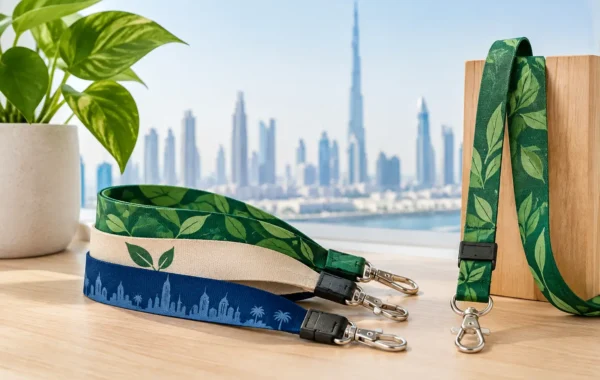
Digital campaigns create awareness, but the event environment makes the brand feel real. Credentials, lanyards, digital displays, counters, kiosks, directional signage, and branded merchandise should work as one visual system. When colors, typography, messaging, and finishes are consistent, guests understand the event identity without needing to be told repeatedly.
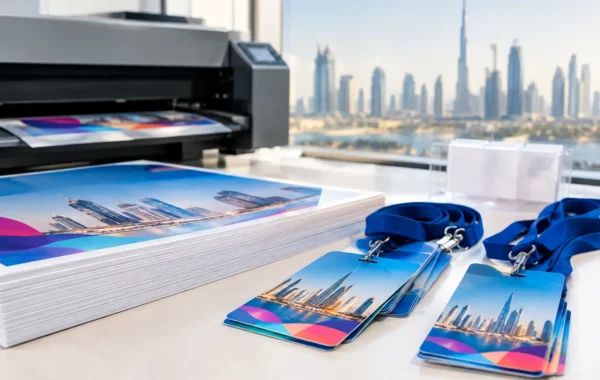
Badges deserve particular attention. They are access tools, networking prompts, security identifiers, and highly visible brand assets. Secure PVC cards can support professional corporate programs, while QR-enabled, RFID, or NFC-encoded credentials can connect physical attendance with access control, lead capture, or interactive experiences. The right choice depends on event scale, data requirements, and the intended guest journey.
Not every event needs advanced encoding. For a small internal workshop, a well-designed printed badge and efficient check-in may be the right operational choice. For a multi-day conference with controlled sessions, partner access, and sponsor activations, encoded credentials can provide much greater control and reporting value. Technology should solve a defined requirement, not become decoration.
Design onsite engagement with a purpose
Once guests enter the venue, promotional energy must become participation. Interactive digital signage, touchscreen kiosks, live content displays, and branded photo moments can encourage guests to explore, share, and spend more time with the event message. The most effective installations provide a clear action rather than simply adding a screen to the room.
A kiosk might direct guests to session rooms, display personalized agendas, collect feedback, or support self-service check-in. A digital signage network can manage schedules, sponsor visibility, wayfinding, and urgent announcements from a central point. These systems are most valuable when their content is planned in advance and someone is responsible for updates during the event.
Engagement also depends on placement. A display positioned where attendees pause has more value than one placed in a corridor they pass too quickly to absorb. A branded activation near registration can create a strong arrival moment, while session-area screens can help direct traffic and reduce staff questions. Hardware layouts should support natural movement, accessibility, power availability, and queue management.
Protect the campaign with operational readiness
A well-promoted event creates expectations. That makes technical reliability a marketing issue as much as an operations issue. If check-in software is not tested, badge printers are not staged, or internet connectivity is assumed rather than verified, the campaign can lose momentum at the exact point guests are ready to engage.
A dependable event plan includes pre-event testing of software configurations, printer output, encoded cards, QR scanning, kiosk content, and digital signage schedules. It also accounts for backup equipment, replacement consumables, power distribution, and onsite troubleshooting. For complex programs, a specialized onsite team provides the practical control needed to resolve issues without disrupting the event team or the guest experience.
This is where integrated delivery has a clear advantage. When registration technology, hardware rentals, credential production, visual branding, and technical support are coordinated through one execution partner, there are fewer handoffs and fewer opportunities for details to be missed. Smart Track Zone approaches event delivery as a connected environment: equipment staging, branding proofs, software setup, production checks, delivery, and onsite support are aligned before guests arrive.
Continue promotion after the room clears
Post-event communication should not be an afterthought. Attendees are most receptive while the experience is still fresh, but the follow-up must match what they participated in. A product launch attendee may value a demonstration request or product information. A conference guest may want presentation materials, session highlights, or an invitation to the next program.
Use attendance and engagement data carefully. Check-in records can show who arrived, while session scans, kiosk interactions, and lead-capture activity can indicate what interested them. This information can improve future messaging and help sales or account teams prioritize follow-up. It should also be handled in line with applicable privacy expectations and the event’s stated data practices.
Ask practical questions after every program: Which invitation segment converted best? Where did queues form? Which signage reduced guest questions? Did the badge format support access requirements? What failed, even briefly, and how can the next deployment be improved? These answers turn one event into a stronger operating model for the next.
The most memorable events do not rely on a single campaign headline or a dramatic stage reveal. They earn trust through hundreds of coordinated details. Plan those details early, connect promotion to the onsite environment, and give every attendee a clear, confident path from invitation to engagement.