
A conference badge is often the first physical interaction an attendee has with an event. If the name is hard to read, the branding is inconsistent, or the credential is delayed at check-in, the arrival experience starts under pressure. Event big-size paper and PVC badges printing in Dubai should therefore be planned as part of the event operations system, not treated as a final print order.
For corporate conferences, exhibitions, product launches, staff events, and high-traffic visitor programs, the right badge format depends on how guests move through the venue, what information they need to see, and whether the credential must control access. Large paper badges offer visibility and flexibility. PVC cards bring durability, security, and a premium finish. The strongest approach is one that connects badge design, attendee data, printing equipment, and onsite support into a single controlled workflow.
Why Badge Size Changes the Guest Experience
A big-size badge is not simply an oversized name card. It is a practical wayfinding and networking tool. At exhibitions and conferences, attendees, exhibitors, and event staff need to identify each other quickly from a comfortable distance. A larger layout gives the attendee name, company, job title, category, and visual branding enough room to remain readable without looking crowded.
This matters most in venues with busy networking areas, multiple meeting zones, or large exhibition floors. When names and roles can be recognized quickly, introductions happen more naturally and staff spend less time directing people to the correct counter, room, or access lane.
Badge size should still be proportionate to the use case. A large conference credential can work well with a branded lanyard and clear color coding, while a compact PVC access card may be better for executive teams, venue staff, or long-running programs. More space is useful only when the hierarchy is clear. A badge overloaded with sponsor logos, disclaimers, and small text loses the benefit of its size.
Paper Badges for Conferences and Fast-Moving Events
Paper badges are an efficient choice for short-term events with high attendee volumes. They can be preprinted for confirmed guests or produced on demand as registration data is verified. This flexibility makes paper particularly suitable for conferences, seminars, training sessions, trade shows, and multi-day corporate gatherings where registrations may continue until the event opens.
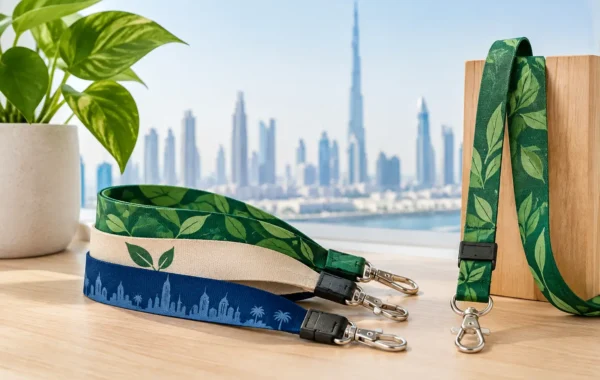
A well-produced paper badge can still feel premium. The result depends on stock selection, full-color print quality, clean cutting, protective holders, and coordinated lanyards. Branded holders also help protect the badge while giving sponsor logos, event identity, and attendee details a polished presentation.
For fast check-in environments, paper badges work best when the registration database is prepared in advance. Names, organizations, job titles, ticket types, and access categories should be standardized before print files or onsite badge-printing rules are configured. A misspelled company name or inconsistent job title is more than a data issue – it becomes visible at the registration desk and reflects directly on the event brand.
Paper is also the practical option when badge designs need frequent updates. An organizer may add new sponsor branding, revise session access colors, or create a separate credential for media and VIP guests. These changes can be managed quickly when the production workflow, printer setup, and approved artwork are controlled together.
PVC Badges for Durable, Secure Credentials
PVC badges are designed for use beyond a single arrival moment. Their rigid card format communicates permanence and quality, making them a strong choice for VIP access, exhibitor passes, staff credentials, memberships, visitor identification, and corporate programs that require secure, repeatable verification.
Unlike paper, PVC can support advanced credentialing features. QR codes can connect the card to registration records or lead-capture workflows. RFID and NFC encoding can enable controlled access, cashless activation, attendance tracking, or interactive experiences. Variable data printing allows each card to carry an individual name, number, photo, barcode, or access designation while maintaining absolute consistency across the full batch.
The trade-off is planning time. PVC card production requires accurate data, approved cardholder categories, and testing of encoded technology before the event. If an access-control system is involved, card encoding, readers, permissions, and software configuration must be validated as one process. Printing a good-looking card is not enough if it fails at the gate.
For high-value audiences, the additional preparation is worth it. A premium PVC badge can act as both a credential and an extension of the event identity, particularly when paired with custom lanyards, card holders, and coordinated digital check-in screens.
Event Big-Size Paper and PVC Badge Printing in Dubai: What to Specify
A useful production brief goes beyond the number of badges required. It defines how each credential will function from registration through departure. Before production begins, event teams should confirm the format, dimensions, orientation, print quantity, and whether badges are preprinted, printed onsite, or produced through a combination of both.
The design should establish a clear visual hierarchy. The attendee name generally deserves the largest type. Company and title should be easy to scan, while access categories should use highly visible colors or identifiers. If the badge supports venue navigation, room names, event dates, QR codes, and emergency information must remain readable at actual print size.
Security requirements should be decided early as well. For some events, a unique QR code is sufficient. Others require RFID or NFC encoding, holographic elements, photo identification, sequential numbering, or distinct color systems for staff, exhibitors, delegates, media, and VIPs. The correct choice depends on the level of access control needed, not on adding features for appearance alone.
It is also wise to plan for exceptions. Walk-in attendees, replacement badges, last-minute speaker changes, and upgraded access levels are normal realities of live events. A badge operation should include blank stock, approved templates, onsite printers, and a defined authorization process for reprints. This protects both security and the guest experience.
Connect Printing to Registration and Check-In
The most reliable badge programs are connected to the registration operation. Attendee records should flow from the registration platform to the print queue without manual copying between spreadsheets, email requests, and artwork files. That reduces duplicate records, incorrect names, and delays at the welcome desk.
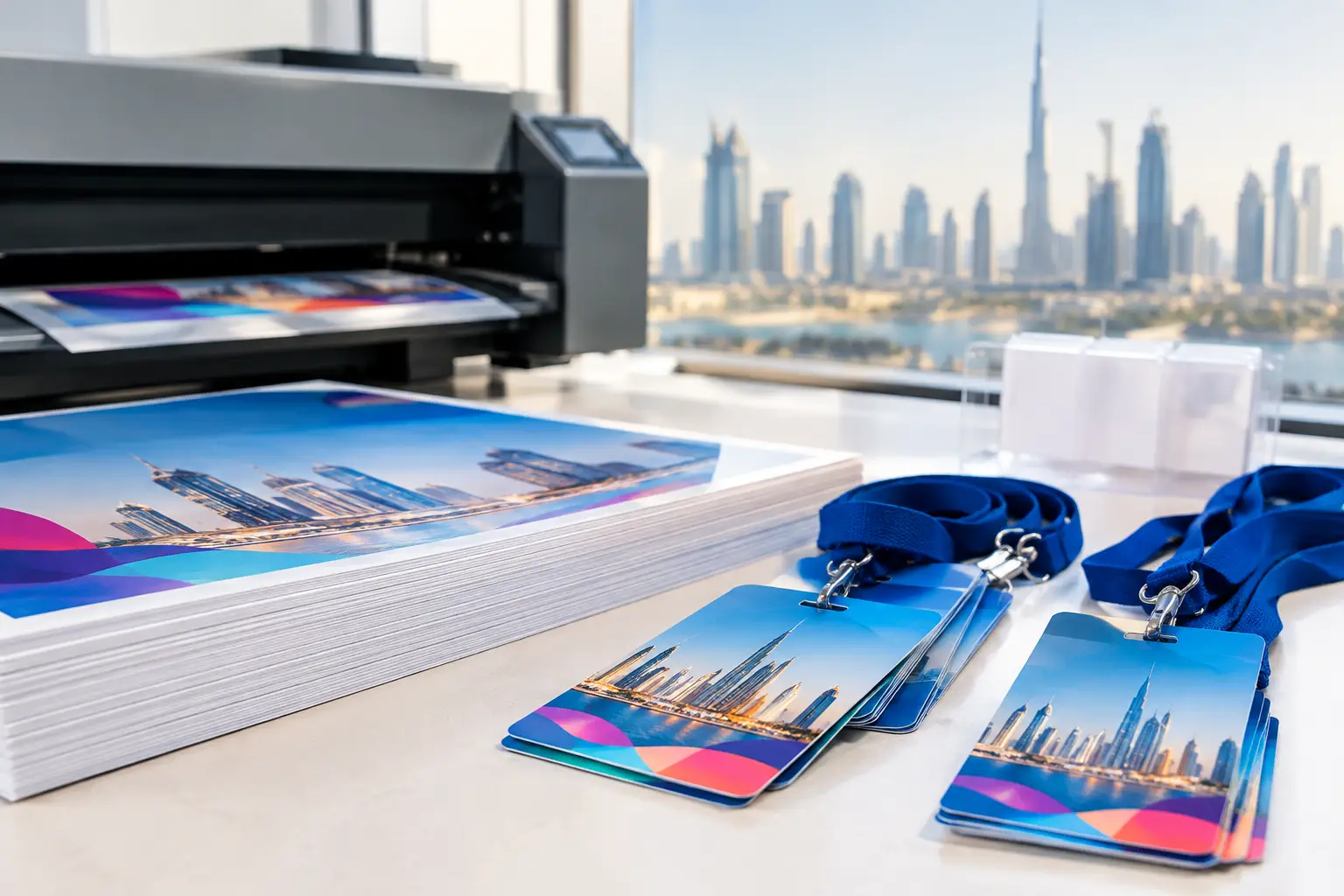
At the venue, the workflow may include self-service kiosks for confirmed attendees, staffed counters for special cases, and dedicated printing stations for new registrations or replacements. The equipment layout should reflect expected arrival peaks. A single printer may be adequate for a small private event, but a large conference requires redundancy, staged hardware, tested network connectivity, and trained operators who can resolve issues immediately.
This is where an integrated provider adds operational value. Smart Track Zone can coordinate registration software, badge printer rentals, branded paper or PVC production, QR or RFID/NFC encoding, kiosk staging, and a specialized onsite team under one execution plan. Instead of assigning responsibility across separate print, rental, and technology vendors, the organizer has one operational partner accountable for the full attendee arrival environment.
Quality Control Before and During the Event
Rigorous quality control begins with a physical proof. Reviewing a badge on screen cannot fully show how color, type size, barcode contrast, or laminate finish will perform in real conditions. A sample should be checked under venue lighting, inside its holder, and at normal viewing distance.
For encoded PVC cards, testing must include the actual readers and access rules that will be used onsite. For QR badges, codes should be scanned from the printed badge, not only from the source artwork. For paper credentials, organizers should confirm that lanyard holes, holders, and badge dimensions fit correctly and withstand normal handling.
During the event, inventory must be tracked carefully. Badge stock, printed credentials, replacement cards, lanyards, and consumables should be counted and stored securely. A clear handover process between registration staff and the event operations team helps prevent misplaced credentials and avoids unnecessary reprints.
Choosing the Right Format for Your Event
Paper and PVC do not need to compete. Many events benefit from using both. Delegates may receive large paper badges designed for quick recognition and networking, while staff, exhibitors, and VIPs receive durable PVC credentials with encoded access. This approach balances cost, speed, security, and presentation.
The best choice comes down to attendee volume, event duration, access requirements, data complexity, and the visual standard expected by the brand. When those decisions are made early, badge production becomes a controlled part of the event infrastructure rather than a last-minute registration problem.
A well-designed credential quietly does several jobs at once: it welcomes the attendee, reinforces the brand, supports movement through the venue, and gives the operations team confidence that every guest is in the right place.