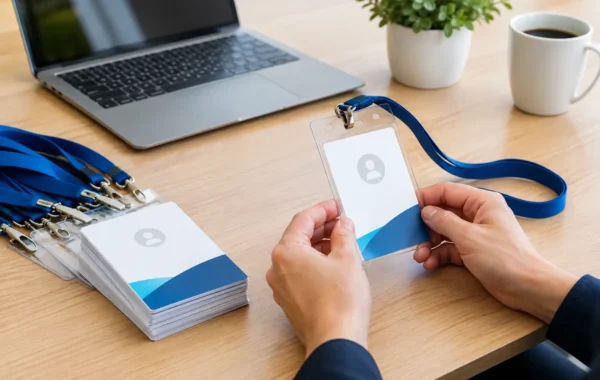


A crowded registration desk is rarely caused by one major failure. More often, it is the result of small disconnected decisions: badges arriving without a clear sorting system, check-in software that was never tested against the hardware, signage installed too late, or a last-minute change that no supplier owns. The powerhouses behind perfectly planned events are the operational teams that connect these details before attendees ever enter the venue.
For corporate planners, exhibition organizers, marketing teams, and procurement leaders, event quality is not measured only by the stage design or speaker lineup. It is measured in the first 30 seconds of arrival, the confidence of staff at the registration desk, the clarity of visitor movement, and the consistency of every branded touchpoint. Achieving that standard requires more than a printer, a rental vendor, or a registration platform. It requires coordinated execution.
The Powerhouses Behind Perfectly Planned Events
A high-performing event environment has several moving parts: registration workflows, attendee data, credentials, equipment, branding, venue requirements, and technical support. Each can work independently, but independence is often where friction begins.
A badge printer may be reliable, for example, yet still create delays if badges are not designed for fast sorting, attendee records are incomplete, or the printer is positioned without consideration for queue flow. A touchscreen kiosk can look impressive, but it will not improve guest engagement if its content, power requirements, placement, and user journey have not been planned together.
The real operational advantage comes from treating event technology and physical branding as one system. This approach turns the arrival experience into a controlled process rather than a series of separate supplier handoffs.
Registration Is an Experience, Not a Desk
Registration is the first live interaction between an attendee and an event brand. It should communicate organization, professionalism, and readiness before a guest receives a lanyard or sees the main hall.
A well-configured registration setup begins with the attendee journey. Will guests pre-register and scan a QR code? Will walk-ins need onsite data capture? Are VIPs, speakers, exhibitors, staff, and media assigned different access levels? Is there a need for self-service check-in alongside staffed counters? These choices influence software configuration, badge formats, staffing plans, hardware quantities, and layout design.
The best setup depends on event volume and audience behavior. A smaller executive gathering may benefit from a high-touch welcome desk with premium name badges. A large conference with peak arrival periods may require multiple self-service kiosks, QR scanning stations, and trained technical personnel monitoring exceptions in real time. There is no one-size-fits-all registration model, but there should always be one accountable operational plan.
Credentials Carry More Than a Name
Badges, PVC cards, lanyards, and wristbands are often treated as print items. At a corporate event, they are functional tools for identification, access, security, wayfinding, and brand presentation.
A well-produced credential should be easy to read at a glance, durable enough for the event environment, and aligned with the visual standards of the organization. For multi-day conferences and exhibitions, that may mean secure PVC badges with RFID or NFC encoding. For a product launch, it may mean a premium personalized badge with a branded lanyard that extends the campaign aesthetic. For employee and visitor management, QR-enabled cards can support controlled entry and accurate tracking.
The technical layer matters as much as the visual layer. If credentials support access control, the encoded data must be verified before deployment. If badges are printed onsite, templates, attendee fields, printer settings, and backup stock need to be tested in advance. A polished design cannot compensate for a credential that scans incorrectly or fails under pressure.
Hardware Staging Prevents Onsite Surprises
Event equipment is most dependable when it is treated as an integrated environment rather than a collection of devices. Laptops, badge printers, scanners, kiosks, screens, network components, and power connections should be staged and tested against the planned workflow before they reach the venue.
This is where operational discipline protects the attendee experience. Hardware layouts should account for queue direction, staff access, cable management, counter dimensions, power availability, and visibility from key entry points. Interactive digital signage needs a clear purpose, whether it is guiding attendees to registration, displaying sponsor content, sharing session schedules, or directing visitors through an exhibition floor.
Contingency planning is equally important. A dependable deployment includes spare consumables, backup devices where appropriate, tested configurations, and an escalation path for technical issues. The goal is not to assume that nothing will change. It is to make sure change can be handled without creating visible disruption.
Visual Consistency Builds Confidence
Corporate events are temporary environments, but they can have a lasting effect on how audiences view a brand. When event branding feels fragmented, guests notice. A banner may use one color treatment, the registration screen another, and the badges a third. Even when each item looks acceptable on its own, the overall result can feel uncoordinated.
Absolute consistency comes from managing physical and digital touchpoints together. That includes badge artwork, registration interfaces, kiosk screens, directional signage, exhibition lanyards, welcome materials, branded merchandise, and premium corporate gifts. Production proofs should be reviewed before final output, particularly when color accuracy, variable data, specialty materials, or personalized names are involved.
This does not mean every event needs extensive branding across every surface. Budget, venue restrictions, and event goals should guide the scope. A focused executive event may require refined credentials and discreet wayfinding, while a public exhibition may need high-visibility signage, interactive displays, and branded giveaways. The standard should be deliberate execution, not unnecessary volume.
Onsite Support Is Part of the Product
For complex events, equipment delivery alone is not enough. A printer, kiosk, or registration system becomes valuable only when it works at the moment guests need it. That is why specialized onsite support should be viewed as part of the event infrastructure, not an optional add-on.
An onsite technical team can manage device setup, software checks, badge replenishment, troubleshooting, attendee exceptions, and last-minute adjustments. They also provide a direct operational bridge between the event team, venue personnel, and technology systems. When a VIP arrives without a registration record or an agenda change affects digital displays, the response needs to be immediate and informed.
This support is particularly valuable in fast-moving corporate environments across the UAE and Saudi Arabia, where event schedules can evolve quickly and brand expectations remain high. The right team brings more than technical knowledge. It brings familiarity with the complete deployment, from the registration database to the printer ribbon and the location of each display.
One Partner, Clearer Accountability
Using separate vendors for printing, registration technology, IT rentals, branding, and onsite support may appear flexible. In some cases, it is the right choice, especially when an organization has established internal production systems or highly specialized supplier relationships. But every additional handoff creates another point where details can be missed.
An integrated provider reduces that complexity by coordinating consultation, design, production, hardware staging, software configuration, delivery, and onsite operation within one managed workflow. Instead of asking who is responsible for a delayed badge, a mismatched screen, or a missing scanner, the event team has a clear point of accountability.
Smart Track Zone applies this model by combining event technology, personalized print production, branded materials, and onsite technical execution. The benefit is not simply convenience. It is greater control over quality, timing, data accuracy, and the attendee experience.
Plan for the Pressure Points Early
The strongest event plans focus early attention on the moments most likely to create pressure: peak arrival windows, VIP access, walk-in registration, exhibitor check-in, printing exceptions, connectivity, and late branding changes. These are not reasons to overcomplicate an event. They are reasons to establish realistic workflows before event day.
Start by defining what attendees must be able to do at each point of contact. Then confirm the technology, credentials, staffing, signage, and support required to make that action easy. A well-planned event feels calm not because there are fewer moving parts, but because every moving part has a clear role.
When the doors open, guests should see a confident brand and a well-organized experience. Behind that impression is careful configuration, rigorous quality control, and people who know exactly how the event is meant to work.