

A lanyard is often the first physical brand element an attendee receives and the one they wear for the longest. At a trade show, conference, or product launch, custom exhibition lanyards carry far more than a badge. They support identification, access control, wayfinding, sponsor visibility, and the polished first impression expected from a well-managed event.
For corporate teams, the difference between a standard neck strap and a properly specified lanyard becomes clear the moment registration opens. Poor print quality, uncomfortable material, weak clips, or mismatched badge sizes can create small but visible points of friction. A coordinated lanyard program, by contrast, makes credentials easier to wear, scan, recognize, and manage throughout the event.
Why Custom Exhibition Lanyards Matter at Events
Exhibitions are busy environments. Attendees move between registration desks, sessions, booths, meeting areas, hospitality zones, and restricted spaces. Their credentials must remain visible and secure while reflecting the event identity with absolute consistency.
A custom lanyard helps achieve this without adding another complicated touchpoint. Brand colors, logos, sponsor marks, event dates, role labels, and short calls to action can all be integrated into the strap design. When paired with a professionally produced badge, the result is a complete credential rather than a generic card hanging from an unrelated accessory.
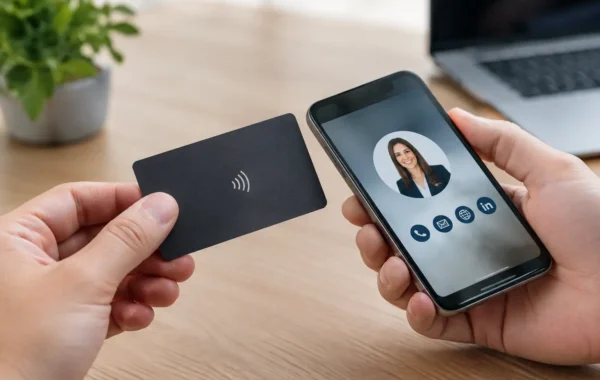
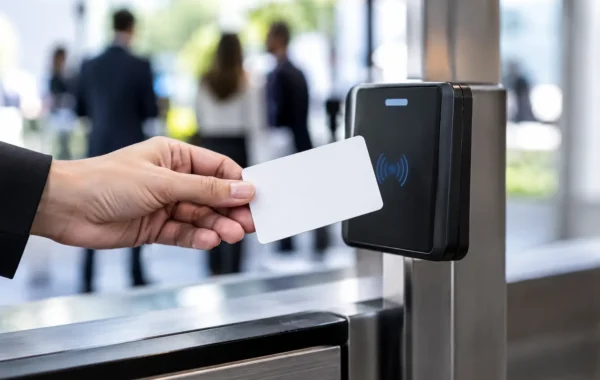
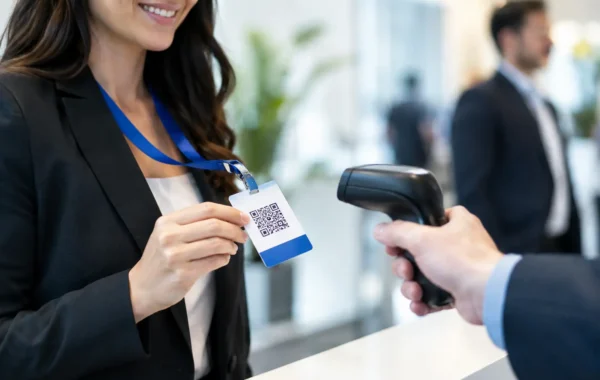
The operational value is just as significant. Different lanyard colors can distinguish exhibitors, VIP guests, speakers, staff, contractors, and media at a glance. That can reduce questions at entry points and help venue teams recognize access categories quickly. For larger programs, the lanyard can work alongside QR credentials, RFID cards, or NFC-enabled badges to support faster check-in and controlled access.
Start With the Job the Lanyard Must Do
The best specification begins with function, not decoration. A single-day exhibition with printed paper badges has different requirements from a multi-day conference using encoded PVC cards and access-controlled zones.
First, determine how the badge will be carried. A lightweight badge holder may suit a visitor credential, while rigid PVC cards generally require a stronger clip or hook. If badges must be scanned repeatedly, the lanyard length and attachment should allow staff to present the credential easily without removing it. If attendees will wear the badge all day, comfort becomes a practical requirement rather than a cosmetic preference.
It also helps to consider the event environment. Outdoor exhibitions, hospitality activations, and high-traffic trade shows can be tougher on materials than a boardroom conference. In those cases, durability, print resistance, and secure attachments deserve more attention. The lowest unit cost is not always the best value if straps curl, hardware fails, or branding degrades before the event closes.
Material Choices Affect Comfort and Brand Perception
Polyester lanyards are widely used because they are durable, economical, and suitable for detailed full-color printing. They are a strong choice for large-scale conferences, exhibitions, and corporate events where a consistent finish is essential across thousands of units.
Satin or smooth-finish lanyards create a more premium feel and may suit VIP programs, executive events, hospitality experiences, or premium brand launches. Woven lanyards offer a textured, long-lasting finish, but they are less suitable for fine artwork, gradients, or complex color transitions. Tubular options can be comfortable and cost-effective, although their rounded form may limit the clarity of detailed graphics.
There is no universal best material. It depends on the brand standard, print design, event duration, expected quantity, and credential type. A reliable production partner should explain these trade-offs before artwork is approved, rather than treating every lanyard as the same product.
Printing Method Should Match the Artwork
A bold logo in one or two colors may work well with screen printing or woven production. A design with gradients, photographic elements, small text, or multiple sponsor logos generally benefits from dye-sublimation printing. This method allows edge-to-edge color and detailed artwork across the strap, making it especially effective for exhibition branding.
Artwork needs to be prepared for the width and repeat pattern of the lanyard. A logo that looks excellent on a digital proof can become difficult to read once repeated around a narrow strap. Text should be large enough to remain legible at a distance, and critical logos should not sit too close to the attachment hardware.
For corporate events, brand control matters at this stage. Colors should be aligned to approved brand references, sponsor marks should be reviewed carefully, and print proofs should be checked before production begins. Rigorous quality control avoids the common problem of discovering color variation or unreadable copy when lanyards arrive onsite.
Hardware Is a Small Detail With Major Consequences
The attachment connects the lanyard to the badge, but it also determines how dependable the credential feels in use. Swivel hooks are common for PVC cards and badge holders because they allow the card to face forward naturally. Lobster clips provide a secure option for many standard applications, while bulldog clips may suit cards without punched slots.
Safety breakaways are worth considering when attendees will wear lanyards in crowded halls, production areas, or locations where the strap could catch. A breakaway connection releases under force, helping reduce risk without sacrificing the appearance of the credential. Detachable buckles can be useful when a card must be scanned or presented frequently.
These choices should be made alongside badge design. Slot position, card orientation, card thickness, holder dimensions, and scanning method all influence the ideal hardware. Ordering lanyards separately from the credential system can create avoidable compatibility issues.
Build Lanyards Into the Full Registration Workflow
Custom exhibition lanyards perform best when they are planned as part of the registration and access journey. That means aligning them with attendee categories, badge layouts, check-in technology, collection points, and onsite staffing.
For example, a pre-registered guest may receive a QR-enabled badge in a branded holder at a self-service kiosk. A different lanyard color can identify VIP access, while an RFID/NFC card allows entry to selected sessions or hospitality areas. Exhibition staff can receive more durable credentials with clear role identification. Each component has a purpose, but together they create an organized, intuitive system.
This integrated approach is particularly valuable when timing is tight. Badge printers, kiosks, registration software, hardware staging, printed materials, and lanyards need to arrive as a coordinated setup. If one element is delayed or incompatible, the registration desk absorbs the pressure. Managing production and event technology under one operational plan reduces handoffs and protects the attendee experience.
Smart Track Zone supports this type of complete deployment by combining custom credential production with registration technology, event hardware, onsite staging, and technical support. The objective is not simply to provide branded straps. It is to ensure every physical credential is ready for real event conditions.
Avoid the Most Common Lanyard Mistakes
The most frequent issue is treating the lanyard as a last-minute giveaway. This often leads to generic materials, rushed artwork, and attachments that do not fit the badge format. Another common mistake is overloading the strap with logos, text, and sponsors until no message can be read clearly.
A better approach is to prioritize the event brand, use a controlled sponsor hierarchy, and keep the repeated layout clean. If sponsors require significant exposure, a separate lanyard design may be appropriate, but it should still feel connected to the event visual system.
Teams should also order a sensible contingency quantity. Onsite losses, additional staff, walk-in guests, and replacement credentials are normal realities of exhibition operations. The exact buffer depends on registration projections and event duration, but having replacements available is far easier than trying to source matching items during show hours.
A Better Brief Produces Better Results
When requesting custom exhibition lanyards, provide the event date, anticipated quantity, credential format, artwork files, attendee categories, preferred material, and any access-control requirements. Include details about whether the badges use QR codes, RFID, NFC, or standard visual identification. These details allow the production team to recommend a lanyard that fits the complete operating model.
Ask for a proof that shows the repeat pattern, logo scale, colors, and hardware placement. Then evaluate it as an attendee would: Can the branding be recognized quickly? Does the clip suit the badge? Will the credential be comfortable through a full day of sessions and networking? Those straightforward questions prevent expensive corrections later.
A well-designed lanyard may seem like a minor component, but events are remembered through hundreds of visible details. When credentials are comfortable, clear, secure, and fully aligned with the brand, attendees spend less time managing access and more time engaging with the experience you built.